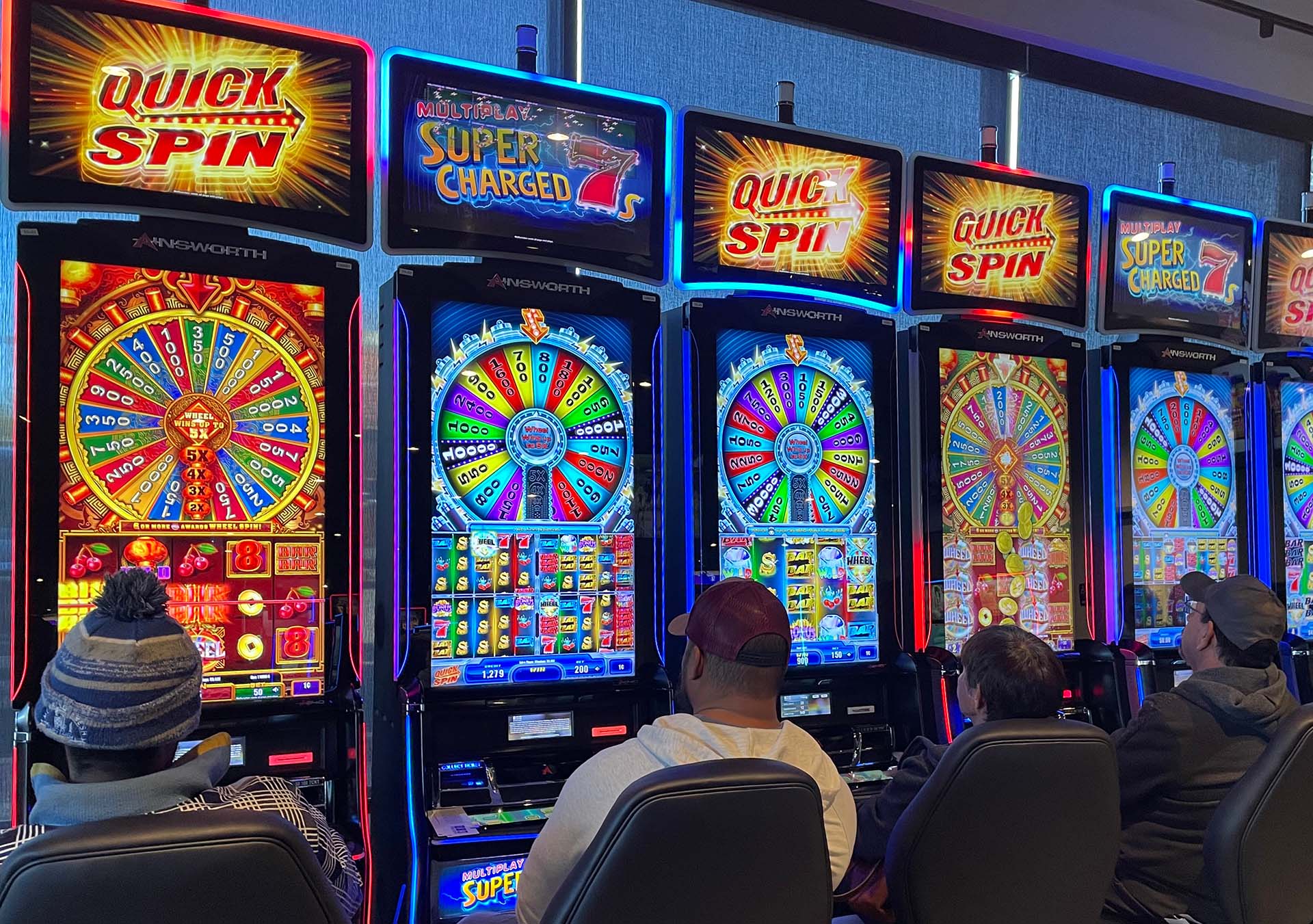
There is a quiet kind of comfort that comes not from what a game offers, but from how it feels to interact with it. The smoothness of a button, the softness of colors, the way everything responds without delay, these small details rarely demand attention, yet they shape the experience in powerful ways. Over time, this comfort becomes more than just a background feature. It gently influences how long a person stays, how easily they continue, and how naturally one moment flows into the next.
What makes this especially important is that interface comfort does not feel like influence. It feels like ease. And because it feels natural, it often goes unnoticed.
How Design Creates Effortless Interaction

Modern digital interfaces are built around a principle known as “frictionless design.” This means reducing effort at every step, so the user does not have to think about how to interact, only what to do next.
Research in human-computer interaction shows that users are far more likely to continue using a system when actions require minimal effort. In fact, studies have found that even small delays or confusing layouts can reduce engagement significantly, while smooth, predictable interfaces can increase session time by over 25–40%.
This is why:
- Buttons are placed where the thumb naturally rests
- Animations are short but satisfying
- Feedback is immediate and clear
All of this creates a feeling that the game “just works,” without needing attention.
As one player shared in a forum discussion:
“You don’t even think about the controls. It just feels natural, like scrolling your phone.”
That sense of effortlessness is not accidental. It is carefully designed.
Familiarity Builds Trust and Habit
One of the most powerful aspects of interface comfort is familiarity. The more a person interacts with a system, the less they need to think about it. Actions become automatic, guided by memory instead of active decision-making.
This is supported by cognitive science, which shows that repeated actions reduce mental load, allowing the brain to operate more efficiently. While this efficiency feels positive, it also means fewer moments of reflection.
Over time, the experience shifts:
- From thinking → to recognizing
- From deciding → to repeating
- From awareness → to habit
A user once described this shift clearly:
“After a while, I wasn’t choosing anymore. My hand just knew what to do.”
This is where comfort begins to extend beyond ease and into routine.
Why Comfortable Interfaces Lead to Longer Sessions
Comfort changes how time is experienced. When something feels smooth and uninterrupted, there are fewer signals telling the brain to stop or take a break.
In contrast, discomfort naturally creates pauses:
- Confusion makes us stop
- Delays make us reconsider
- Effort makes us tired
But when those signals are removed, the experience continues without interruption.
Behavioral data suggests that continuous, low-friction environments can significantly extend user sessions, often without the user realizing how much time has passed.
A common observation from players reflects this:
“I only meant to play for a few minutes, but it didn’t feel long at all.”
This happens because the interface removes the “edges” of time. There are no clear breaks, only a smooth continuation.
The Subtle Cost of Too Much Ease

While comfort makes an experience enjoyable, it can also soften awareness. When interaction requires little effort, the mind has fewer reasons to pause and reflect.
This leads to a few subtle shifts:
- Decisions feel automatic rather than intentional
- Time feels shorter than it actually is
- Actions feel disconnected from long-term outcomes
In psychology, this is often linked to automatic processing, where the brain operates efficiently but with reduced conscious oversight.
This does not feel negative in the moment. In fact, it feels smooth and satisfying. But it changes how the experience is held in awareness.
As one player noted:
“It’s so easy to keep going because nothing interrupts you.”
That uninterrupted flow is both the strength and the risk of comfortable design.
Real-World Example: Mobile App Design
The same principles can be seen outside gaming. Popular mobile apps are designed with similar goals:
- Infinite scrolling removes stopping points
- One-tap actions reduce effort
- Personalized layouts increase familiarity
These features are known to increase user engagement significantly. Reports from app analytics studies show that users spend up to 50% more time on platforms that use continuous interaction models.
Digital casino interfaces often follow the same design logic, applying it to gameplay instead of content consumption.
Bringing Awareness Back Without Losing Comfort
The goal is not to remove comfort, because comfort is what makes the experience enjoyable. Instead, it is about adding small moments of awareness within that ease.
Some simple approaches shared by players include:
“I check the time every now and then, just to stay aware.”
“I set a limit before I start, so I don’t rely on how it feels during the game.”
“Taking short breaks helps me reset and see things clearly again.”
Even a brief pause can create enough space for awareness to return. It reconnects the smooth experience with a clearer sense of perspective.
A Soft Closing Thought
Interface comfort is one of the most powerful yet invisible forces in long playing sessions. It does not push or demand, but gently supports, making everything feel easy, familiar, and natural to continue.
And that is what makes it so effective.
Because when something feels effortless, we rarely question it. We simply stay.
Yet within that understanding lies something valuable. When we begin to notice how comfort shapes our experience, we do not lose its ease. Instead, we gain a quiet awareness that allows us to enjoy it while still remaining connected to the bigger picture.
In that balance, comfort becomes not something that carries us away, but something we can move within, calmly and consciously.