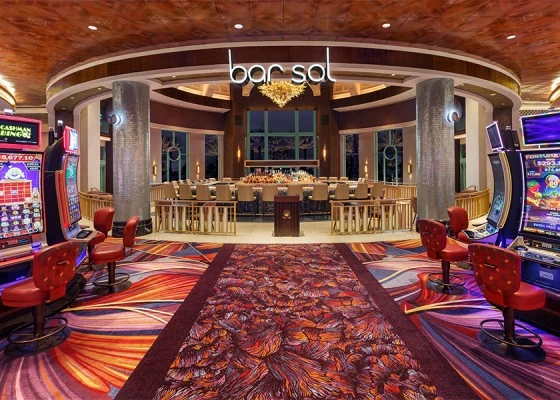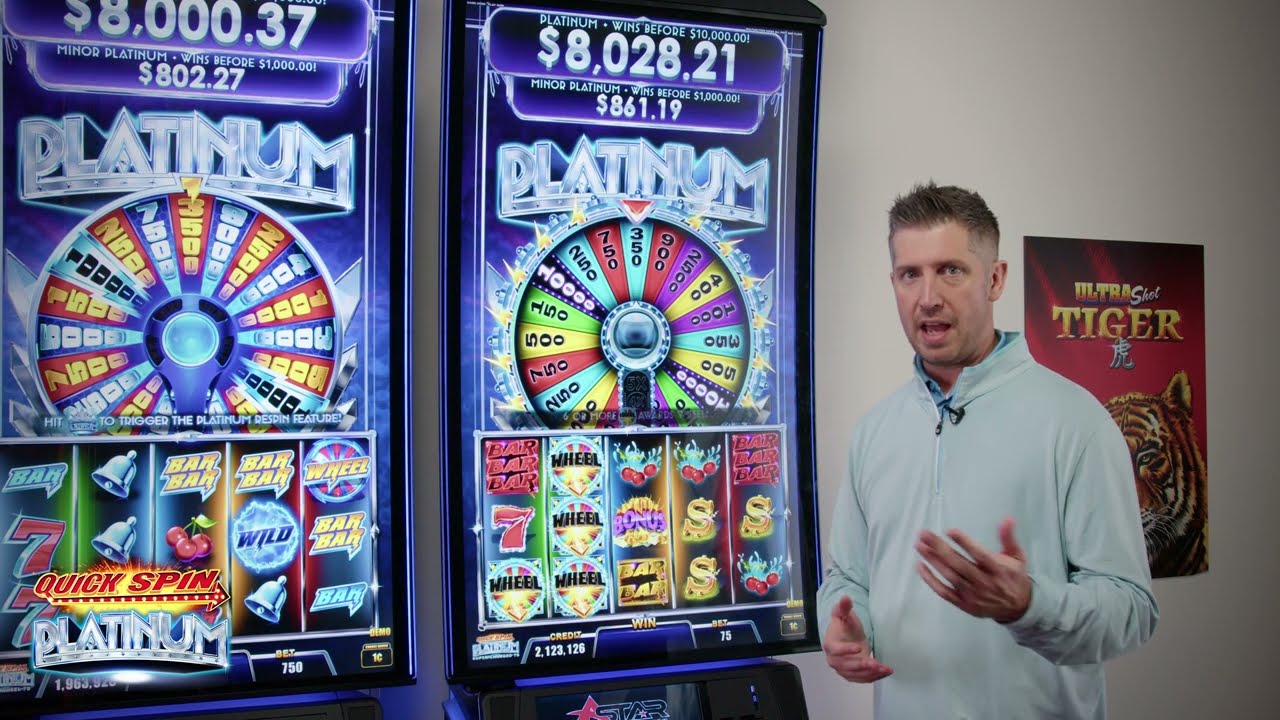
There is a quiet shift that happens when everything in a game becomes faster and easier, when reloading takes only a second and spins move forward without pause. At first, this speed feels helpful, almost like a small kindness, because it removes waiting and keeps the experience moving in a clean and simple way. The player does not need to stop or think about delays, and the entire process feels smooth, controlled, and effortless.
Yet beneath this smoothness, something deeper begins to unfold. The faster everything moves, the less space there is between actions, and in that smaller space, awareness begins to soften. What once had a natural pause becomes a continuous flow, and the mind begins to follow that flow without always noticing where it is going.
The Gentle Removal of Pause
In traditional or slower-paced environments, there is always a small pause between actions. Even a few seconds can create a natural break where the mind processes what just happened. But in digital games with instant reloads and fast spins, that pause disappears almost entirely.
Research in behavioral psychology suggests that even a 2–3 second delay between actions significantly increases reflective thinking. When that delay is removed, decision-making becomes more automatic and less analytical.
This means:
- Outcomes are noticed, but not fully processed
- Decisions are made quickly, often without reflection
- The experience feels smoother, but also less deliberate
A player might think, “I’ll just do one more spin,” but without pauses, that “one more” happens again and again before the mind has time to step back.
When Speed Becomes the Default Feeling
As fast spins continue, speed stops feeling fast. It becomes normal.
Studies on digital interaction patterns show that users adapt quickly to high-speed environments. Within minutes, what once felt rapid begins to feel natural, even expected. Slower systems then feel frustrating or “broken” by comparison.
A common sentiment shared in online gambling forums reflects this shift:
“When I switched back to a slower game, it felt boring. I didn’t realize how used to instant spins I had become.”
This adjustment is important because it changes expectations. The brain begins to prefer constant stimulation, and anything slower feels uncomfortable.
The Reinforcement Loop: Why Fast Feels Good
Fast spins are not just about speed, they are tied closely to how the brain processes rewards.
According to neuroscience research on reward systems:
- Faster feedback loops increase dopamine activity
- Immediate results create stronger habit-forming patterns
- Continuous play reduces perceived effort
This creates what psychologists call a “continuous reinforcement loop”, where action and outcome are tightly connected in time.
Example:
- Spin → result instantly
- Loss → immediate retry
- Small win → immediate replay
There is no emotional “cool down” period, which means reactions stay active and decisions stay fast.
Real Player Experiences
Across forums and user discussions, many players describe similar patterns when using fast-spin features:
“I didn’t even realize how much I played until I checked the time.”
“It feels like you’re just clicking, not really thinking.”
“The speed makes it hard to stop. There’s no natural break.”
These are not extreme cases, but common observations that highlight how subtle the effect can be. The experience feels smooth and controlled, yet the awareness of time, money, and decisions becomes softer.
The Quiet Effect on Time and Balance
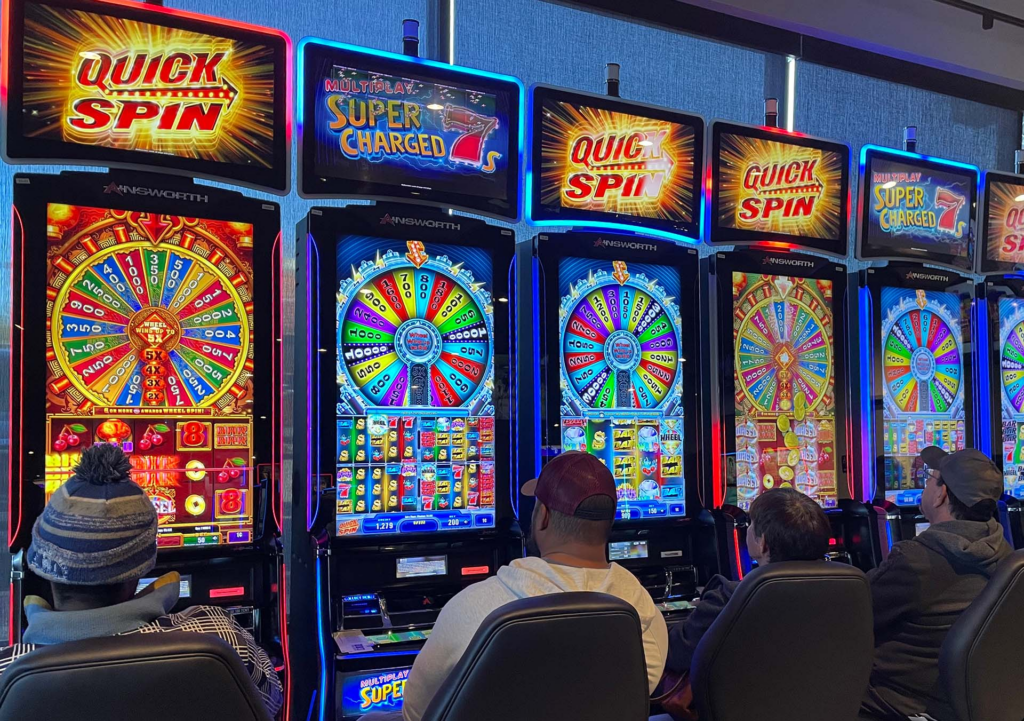
One of the most noticeable impacts of fast spins is how they change the perception of time.
A UK Gambling Commission study found that:
- Players using fast-play features completed up to 3x more game rounds per hour
- Many underestimated session length by 30–50%
This means a session that feels like 20 minutes could actually be closer to 40 or 60 minutes.
At the same time, balance changes can feel less significant because:
- Losses are spread across many quick actions
- Wins are highlighted more strongly than losses
- There is little time to reflect on overall outcomes
The result is a smooth experience where everything feels controlled, even when the overall pattern may not be.
The Illusion of Control Through Constant Action
Fast systems create a subtle illusion: the more active you are, the more in control you feel.
But activity is not the same as control.
When spins are rapid and continuous:
- The player is always “doing something”
- Decisions feel immediate and responsive
- The system feels interactive and engaging
Yet, each outcome remains independent and unaffected by previous actions.
This creates a quiet contradiction where engagement increases, but understanding does not always keep up.
Bringing Back a Gentle Pause
Even in fast systems, it is possible to reintroduce awareness in simple ways.
Some practical examples:
- Waiting 5–10 seconds before the next spin
- Checking balance after every few rounds
- Setting a soft limit before starting
- Taking short breaks every 10–15 minutes
Research shows that even brief interruptions in continuous play can restore awareness and reduce automatic behavior.
This does not remove the enjoyment of the game, but it changes the experience from being carried by the system to moving within it more consciously.
A Soft Closing Thought
The hidden impact of quick reload and fast spins is not something that stands out immediately. It works quietly, shaping how time is felt, how decisions are made, and how awareness is held. It offers ease, speed, and smoothness, yet it also reduces the space where reflection naturally lives.
The most important insight is not to resist speed, but to recognize it. Because when speed is noticed, even for a moment, it creates a small opening where awareness can return.
And in that small pause, no matter how brief, there is a different kind of experience waiting, one where movement continues, but with a little more clarity, a little more balance, and a quiet sense of control that comes not from speed, but from understanding.