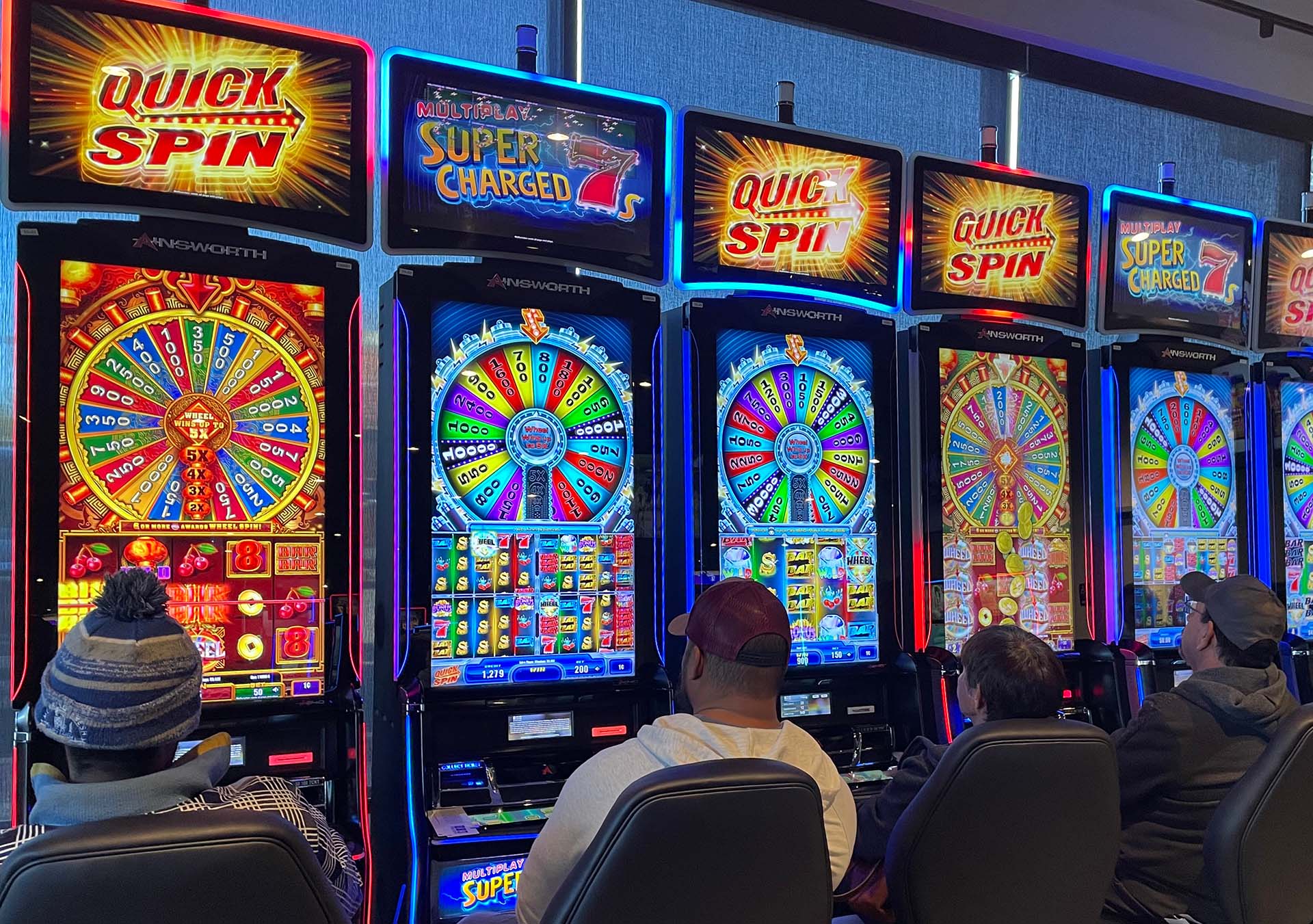
There are moments when a game feels so smooth and gentle that it almost feels effortless, as if nothing is being asked from you at all. The movements are simple, the actions feel natural, and there is no visible pressure. It feels less like playing and more like simply being there, letting one moment follow another. Yet beneath this calm surface, something quieter begins to unfold, something that does not announce itself, as balance slowly shifts without drawing attention.
What makes this experience powerful is not intensity, but subtlety. Nothing feels wrong. Nothing feels urgent. And because of that, the small changes taking place are rarely noticed in real time.
The Comfort of Effortless Design
Modern digital games are often designed to feel intuitive and frictionless. You do not have to think much, learn much, or even decide much. Everything flows easily, and that ease creates comfort.
Research in user experience design shows that low-effort interfaces increase session duration significantly, because the brain prefers environments that do not require heavy processing. When something feels easy, we stay with it longer without questioning it.
This is where the experience begins to shift. The ease itself becomes the reason to continue.
A player once described it in a discussion thread:
“It doesn’t feel like I’m spending anything. It just feels like I’m playing.”
That distinction matters. Because when something feels like “just playing,” awareness of cost often fades into the background.
Why Small Losses Go Unnoticed
One of the most important dynamics in these experiences is how losses are presented. They are often small, spread out, and quickly followed by the next action. This prevents the mind from fully registering each one.
Studies on gambling behavior suggest that people remember wins and near-wins far more vividly than losses, especially when losses are frequent but minor. Over time, this creates a perception gap, where the experience feels more balanced than it actually is.
For example:
- Losing ₹10 ten times feels less noticeable than losing ₹100 once
- A single small win can feel more significant than multiple small losses
This is not because the numbers are unclear, but because attention is selective. The mind holds onto what stands out, and quietly lets the rest pass.
A common comment from players reflects this clearly:
“I know I lost overall, but it didn’t feel like it while I was playing.”
The “Losses Disguised as Wins” Effect
Another subtle factor is something researchers call “losses disguised as wins.” This happens when a player receives a small payout that is actually less than their original bet, but is still presented with celebratory sounds or visuals.
Studies have found that players often respond to these moments in the same way as actual wins, both emotionally and neurologically. This reinforces the feeling that progress is being made, even when the balance is decreasing.
In one behavioral study, such feedback loops led to longer play sessions and reduced awareness of net losses.
This does not feel misleading in the moment. It simply feels like part of the game’s rhythm.
The Slow Drift Away from Awareness
As ease continues and small losses blend into the background, awareness begins to soften. The player becomes more focused on the immediate flow rather than the overall outcome.
Time also begins to shift in perception. Without clear pauses or checkpoints, it becomes harder to track how long one has been playing. What feels like a short session can quietly stretch into something much longer.
Behavioral data shows that continuous-play environments can increase session time by over 40%, largely because they remove natural stopping points.
A player described this drift in a simple way:
“There’s never a good moment to stop. It just keeps going.”
This is not because the player is unaware in a complete sense, but because attention has narrowed to the present moment. The bigger picture fades gently, not suddenly.
Ease Can Create an Illusion of Control
When a game feels easy, it can also create a subtle sense of control. Because nothing feels difficult, the player may feel that outcomes are manageable or recoverable.
This leads to thoughts like:
- “It’s just small amounts, I can recover this.”
- “I’ll stop after the next round.”
- “It’s under control.”
These thoughts feel reasonable because the experience itself feels calm and manageable. But the reality underneath may not match that feeling.
The key point here is that ease does not equal safety, and comfort does not always reflect what is actually happening over time.
Returning to Awareness Without Breaking the Flow

The solution is not to remove enjoyment or to resist the experience, but simply to bring awareness back into it. This can be done in very small ways.
Some practical examples players have shared:
“I started checking my balance every 10 minutes. It helped me stay aware.”
“I set a fixed amount before I start, so I don’t rely on how I feel during the game.”
“Taking short breaks made me realize how fast it was going.”
Even a brief pause can create enough space for clarity to return. It allows the mind to reconnect with the bigger picture without fully stepping away.
A Soft Closing Thought
When a game feels easy but slowly drains balance, it reveals something subtle about how human attention works. We are naturally drawn to what feels smooth, simple, and effortless. And in that comfort, we sometimes stop noticing the small changes happening beneath the surface.
This is not a failure of thinking, but a reflection of how the mind prefers ease over effort.
And perhaps the most meaningful shift comes not from changing the experience itself, but from gently noticing it. Because when awareness returns, even in a quiet and simple way, the experience becomes clearer. The flow remains, the ease remains, but now it is held with a sense of understanding that brings balance back into view.